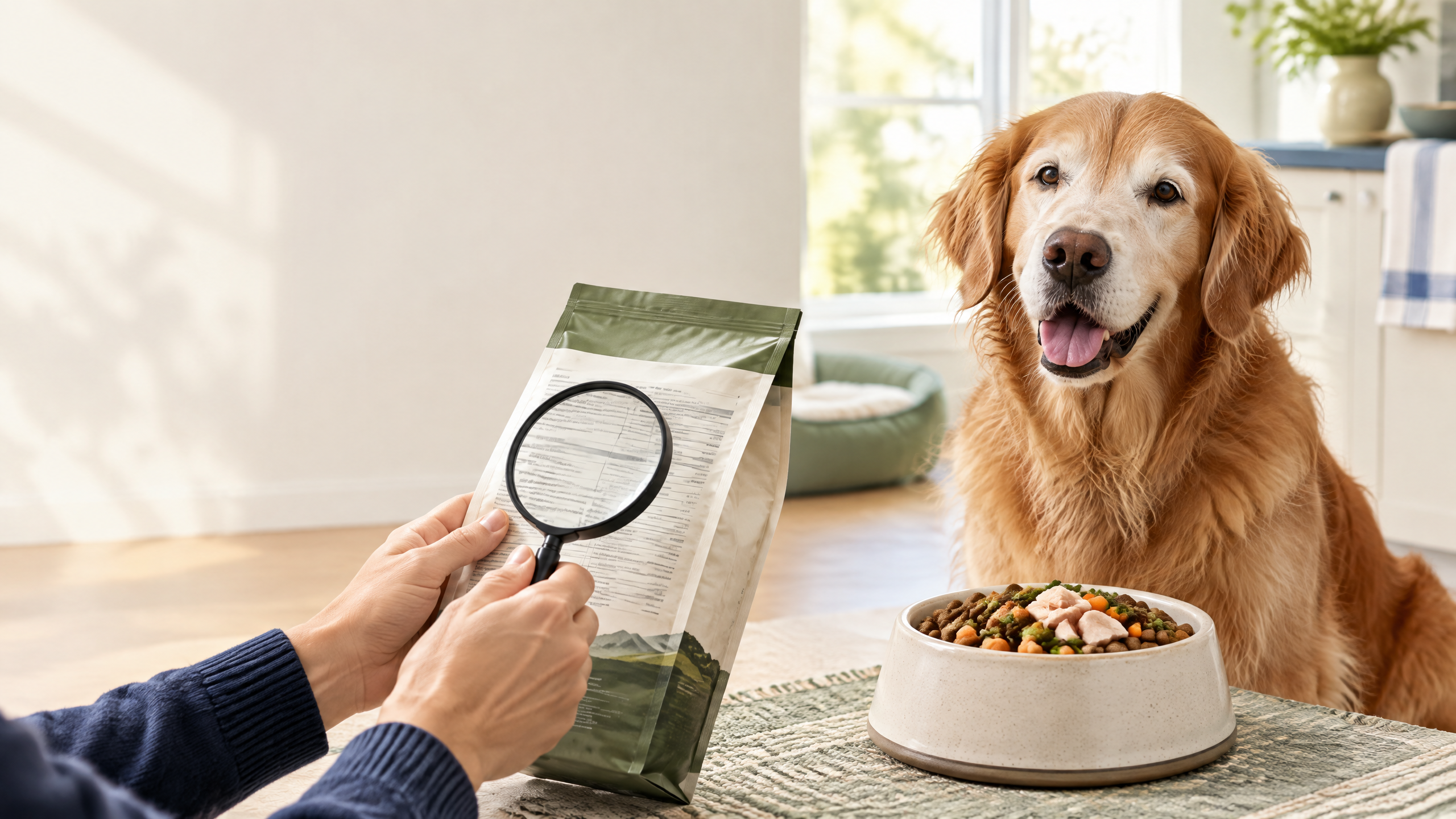
If your older dog used to inhale their food and now sniffs it, walks away, and gives you "the look," you're not alone. A lot of senior dogs get pickier about food as they age. The good news? It's usually not about being dramatic. There are real reasons behind it, and dog food toppers are one of the simplest, most affordable ways to fix it — as long as you pick the right one.
Let's break down what's going on and what actually works.
Wait, Is Picky Eating Even a Real Thing?
Short answer: yes. Picky eating in senior dogs isn't just a personality quirk — it's backed by science. As dogs get older, their sense of smell and taste can change, and so can how excited they get about a bowl that used to be their favorite thing in the world.
Other things play a role too, like:
- Smell – A dog's nose does a lot of the "tasting" for them
- Texture – Some older dogs start preferring softer or moister food
- Routine – Dogs like consistency, and disrupting it can throw off their appetite
- Food quality – Not all kibble is created equal, and dogs can tell
So if your dog is turning up their nose, it's not "kibble snobbery" for no reason. There's usually something behind it, and a topper is often the fastest way to test what that something is.
Kibble Fatigue Is a Real Thing Too
Ever eat the same lunch every single day for months and then suddenly can't stand the sight of it? Dogs can get something similar, sometimes called "kibble fatigue." Eating the exact same food, day after day, year after year, can make even a good food feel boring.
Signs your senior dog might have kibble fatigue:
- Hesitating before eating
- Sniffing the bowl and walking away
- Eating less than usual, but otherwise acting normal
- Perking up for treats or table scraps but not their regular food
If this sounds familiar, it might be time to shake things up a little — not necessarily switch foods completely, but add some variety on top of what's already in the bowl.
The Easiest Fix: Flavor Toppers
Before you go buy a whole new bag of expensive food, try a topper first. A topper is just something you add on top of your dog's regular kibble to make it more interesting — think a spoonful of wet food, some warm bone broth, or a little shredded chicken.
This is sometimes called the "umami trick." Umami is that rich, savory flavor that makes food taste more satisfying, and it can make plain kibble a lot more appealing to a picky senior dog without you needing to fall for fancy packaging or marketing claims.
The key word here is dog-safe. Stick to things made for dogs, or plain, unseasoned options like:
- Warm bone broth
- A spoonful of plain wet food
- Shredded plain chicken (no seasoning, no onion or garlic)
- A little bit of pumpkin puree
If your dog seems bored with dry kibble specifically, mixing in a little fresh food can make a bigger difference than a broth or a sprinkle-on topper. We're fans of Ollie (affiliate link) for this — it's fresh, human-grade food that's easy to spoon over your dog's regular bowl, and the stronger aroma and real ingredients tend to win over even the pickiest senior noses.
Before you add anything, it's worth knowing what's actually in the bag you're feeding right now.
Check what's really in her food →The "Palatability Hack" — Making Old Food New Again
This ties right into toppers. Instead of assuming a rejected food is bad, try making it more appealing first. A little warm water mixed in, a topper added, or even just switching up the bowl can sometimes bring the excitement back.
The idea is simple: don't throw out a whole bag of food just because your dog had one off week. Try small changes first, and check the base food's quality before you decide to replace it entirely.
One thing worth knowing: not every topper actually does what it claims. Some are mostly there for smell and taste, while others are marketed as adding real nutrition that your dog's body may not even absorb well. Some toppers don't actually absorb the way the label implies, so it's worth understanding that difference before you pick one based on ingredient buzzwords alone.
Try the 3-Day Topper Test
Want to know if a topper is actually working, or if your dog is just having a good day? Try this simple test:
- Day 1: Add the topper and see how your dog reacts.
- Day 2: Add it again, same amount, same time.
- Day 3: One more time, keeping everything else the same.
Keep the base food the same the whole time — you're only testing the topper. If your dog eats better all three days, you've probably found something that works. If not, it might be time to look at the food itself instead of just what's on top of it.
What Flavors Do Dogs Actually Like?
Research on dog food palatability (basically, "how much do dogs enjoy eating this") points to a few things that tend to work well:
- Real proteins like chicken, beef, or fish
- Moisture — wet or semi-moist food is often more appealing than dry
- Aroma — a food that smells stronger tends to be more exciting
- Familiarity — dogs often like flavors they already know and trust
Some flavor profiles that tend to do well with picky senior dogs: roasted chicken, beef broth, turkey, salmon, sardine, duck, tripe, and bone broth blends. Starting with one or two familiar proteins is usually the easiest way in.
Not Every Topper Works the Same for Every Dog
Here's the honest truth: there's no single "best" topper that works for every senior dog. Every dog has their own preferences, kind of like people do. Some dogs go crazy for broth. Others only care about a spoonful of wet food. Some don't care about liquid at all and just want more protein.
Think of it like a ranking system — a "palatability hierarchy" — that's different for every dog. The only way to find out where your dog's favorites rank is to actually try a few different things and pay attention to what gets the best reaction.
Are Some Breeds Just Naturally Picky?
You might notice some breeds seem to have a reputation for being more selective eaters than others. There's some truth to this, but breed is really just one small piece of the puzzle. A dog's individual personality, history, health, and even how they were fed as a puppy can matter just as much, if not more.
So instead of blaming the breed, it's more useful to look at the individual dog in front of you.
Why Some Dogs Reject Heavily Processed Kibble
Some senior dogs seem to specifically turn their nose up at kibble that's very processed, meaning it's gone through a lot of manufacturing and might rely more on additives and fillers than real, recognizable ingredients.
This doesn't mean all kibble is bad. It just means quality matters, and it's worth actually checking what's in the bag instead of trusting the picture on the front.
This is also where a lot of owners start wondering whether it's time to skip toppers altogether and switch to fresh food. Is fresh food worth it? We break down the real cost-per-day math so you can decide whether a topper or a full switch makes more sense for your budget.
Putting It All Together
If your senior dog has gotten picky, here's a simple game plan:
- Don't panic — picky eating in older dogs is common and usually not a sign of anything serious on its own.
- Try a topper before switching foods completely.
- Run the 3-day test to see if the topper is actually helping.
- Check the food label on what you're currently feeding, and anything you're considering switching to.
- Watch for patterns, not just one bad day.
- Talk to your vet if the pickiness is sudden, doesn't go away, or comes with other changes like weight loss or low energy.
Picky eating can be frustrating, but most of the time it just means your dog needs a little variety, a closer look at food quality, or both. Small changes usually make a bigger difference than a brand-new bag of food.
Before you buy another topper, see what's actually in the food you're already feeding.
Check your current bag →